
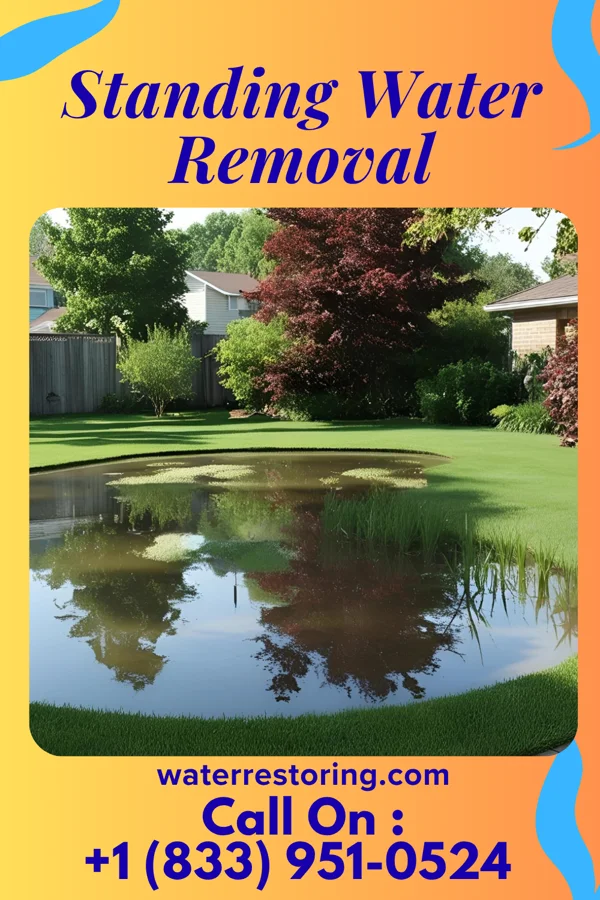
Standing Water Risks in Clarksville
Property owners across Clarksville call certified water damage restoration when In Clarksville, Ohio, the primary water damage causes are often linked to heavy rainfall and stormwater runoff, particularly during the spring and summer months. The area's rural setting and proximity to creeks and rivers increase the risk of flooding, especially in low-lying areas near Harveysburg and Roachester. Additionally, aging infrastructure in some neighborhoods can lead to sewer backups during extreme weather events.. A close second is Secondary causes include plumbing leaks from residential and commercial properties, especially in older homes with outdated piping systems. Sump pump failures in basements and crawl spaces are also common, particularly in Blanchester and surrounding areas. Additionally, snowmelt in the winter can contribute to localized flooding and water intrusion..
Clarksville's climate, characterized by humid summers and occasional heavy thunderstorms, creates a high risk for water damage. The region's proximity to the Ohio River and its surrounding valleys makes it susceptible to flash flooding, which can quickly overwhelm properties. The rural landscape also means that natural waterways can rapidly swell, increasing the likelihood of water intrusion.
Clarksville's climate, characterized by humid summers and occasional heavy thunderstorms, creates a high risk for water damage. The region's proximity to the Ohio River and its surrounding valleys makes it susceptible to flash flooding, which can quickly overwhelm properties. The rural landscape also means that natural waterways can rapidly swell, increasing the likelihood of water intrusion. The dominant local driver is In Clarksville, Ohio, the primary water damage causes are often linked to heavy rainfall and stormwater runoff, particularly during the spring and summer months. The area's rural setting and proximity to creeks and rivers increase the risk of flooding, especially in low-lying areas near Harveysburg and Roachester. Additionally, aging infrastructure in some neighborhoods can lead to sewer backups during extreme weather events., with Secondary causes include plumbing leaks from residential and commercial properties, especially in older homes with outdated piping systems. Sump pump failures in basements and crawl spaces are also common, particularly in Blanchester and surrounding areas. Additionally, snowmelt in the winter can contribute to localized flooding and water intrusion. showing up as the next most common cause. Damage builds in stages. Spread. Absorption. Microbial growth. Structural compromise. Every stage you pass through adds to the final bill.
For public guidance on the health effects of mold after prolonged water exposure, see the EPA mold and health page.